
GenAI and LLM engineering
Generative AI you can stand behind.
We make frontier models reliable on your data.
── Pods deployed with ──







What we do
Retrieval and grounding
Answers cite the catalogue, the register, or the document. Unknowns get a dash, not a guess.
Structured output
Models writing into schemas your systems can consume.
Evaluation
A test set before launch, live checks after.
Model choice
Frontier models chosen per task and kept current. The ceiling moves every few months.

How we do it
- 1
Ground it
Retrieval over your own catalogue, documents, and systems.
- 2
Structure it
Outputs written into schemas your systems consume.
- 3
Evaluate it
A test set before launch, live checks after.
- 4
Run it
Costs engineered, models kept current.
What you'll achieve
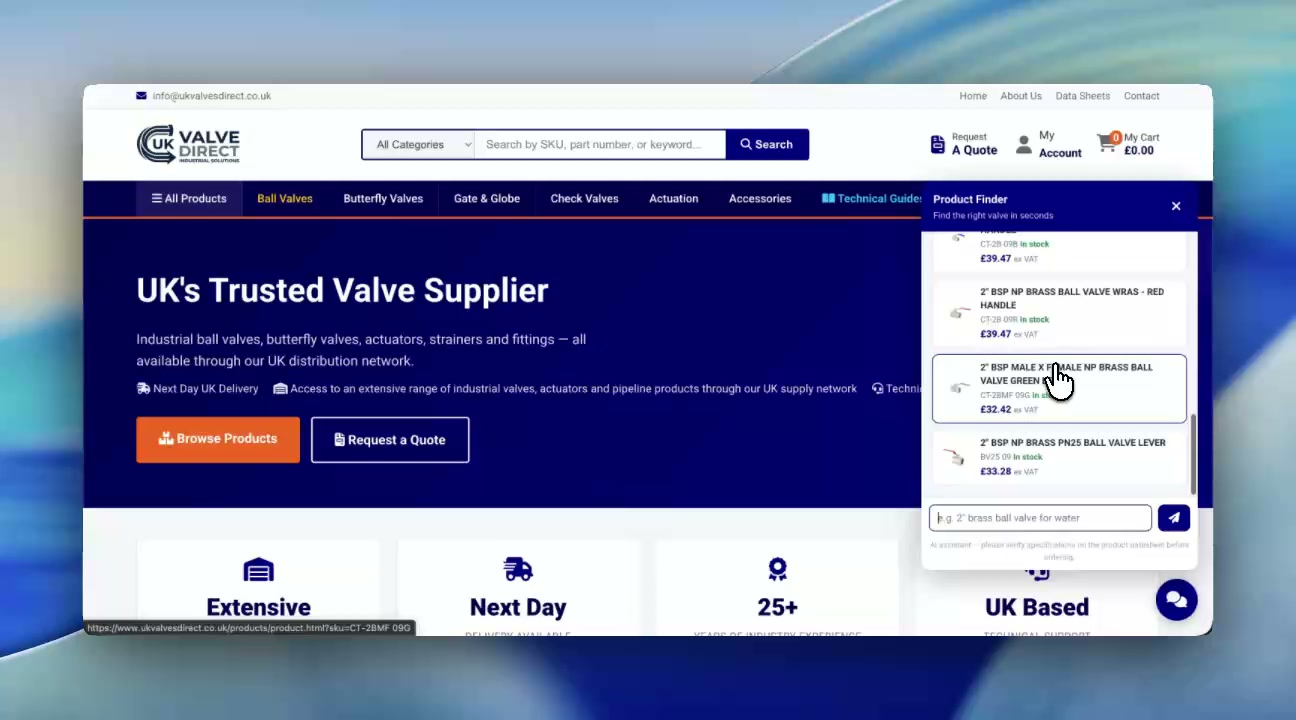
Product search
1,126 valve products searchable in plain English, live on a storefront.
Read the case study
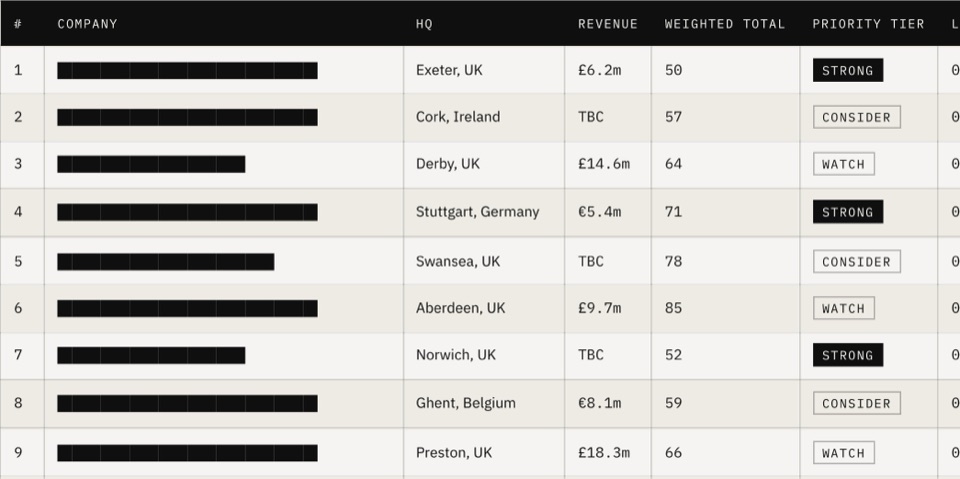
Research pipelines
Seven evidence passes per company across hundreds of candidates.
Read the case study

Voice
A phone conversation held over live diary data.
Read the case study
Unit economics
About 0.1p per message where the numbers have to work at scale.
Case studies
We have done this before.
4 weeks from a signed agreement to a handed-over product
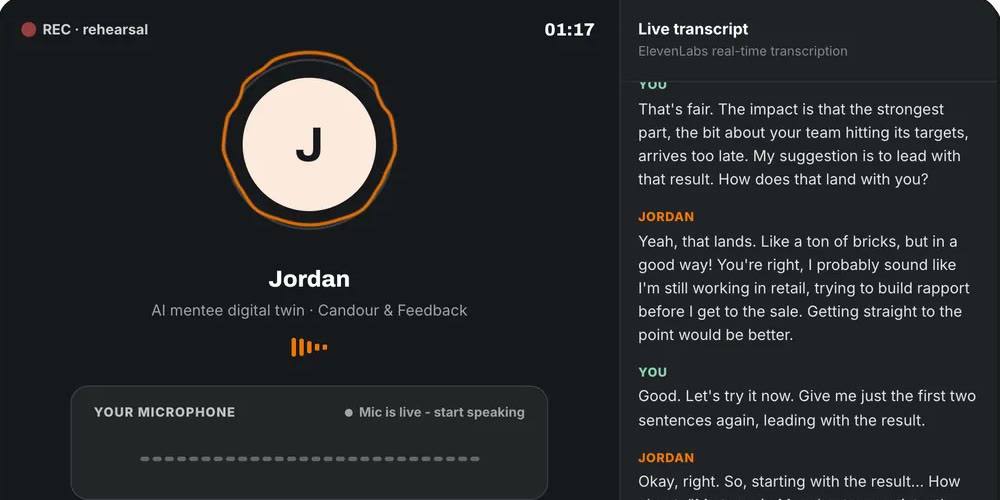
Learn by Mentoring, a leadership-skills gym built for Tangent
Read the case study
72% faster to a relevant product in staff task testing
Making 1,126 valve products searchable in plain English
Read the case study

7 → <1 analyst days to build a longlist
Systematic buy-side origination, built inside PCB Partners
Read the case study
Common questions
Do we need fine-tuning?
Usually not first. Most products need retrieval, grounding, and evaluation around a strong existing model. Fine-tuning earns its keep once the harness is measured and the gap is clear.
How do you stop hallucinations?
Grounding and verification. Answers cite their source, unknowns are shown as unknowns, and an independent pass re-checks a sample. That is engineering, not prompt magic.
Which models do you use?
Frontier models, chosen per task for quality, latency, cost, and data sensitivity, and revisited as the frontier moves.
Tell us what you need built.
A 20 minute call is enough to work out whether a pod fits. The first week of work is defined on that call.
As seen in