Computer vision
Computer vision for the work people do by looking.
We automate the checks your team does by eye.
── Pods deployed with ──









What we do
Inspection
Condition read from photographs, consistently, at volume.
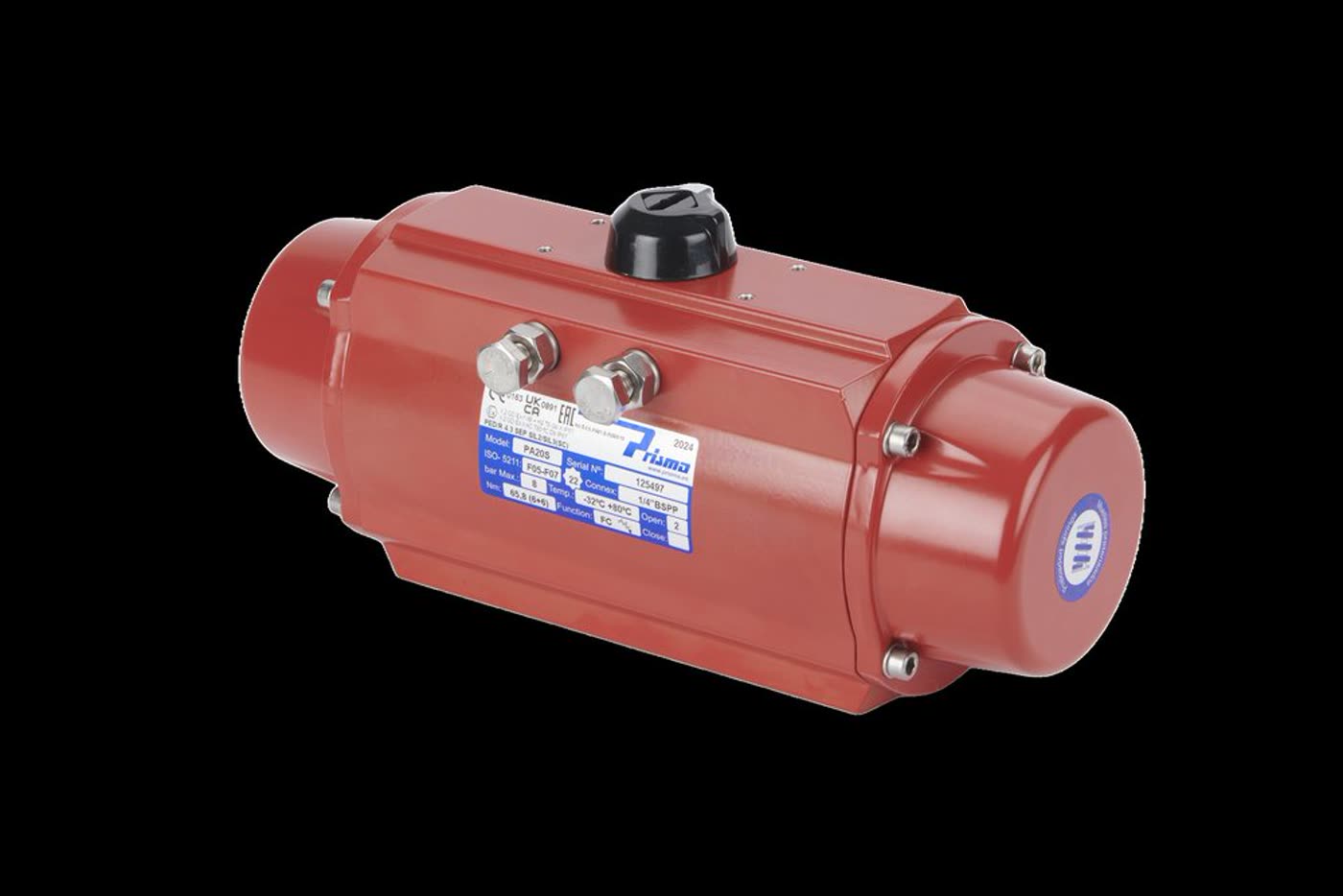
Documents as images
Datasheets, labels, and certificates read into structured records.
Search by attribute
Products found by what they are, not what they are called.
Monitoring
Visual checks that run every time, not when someone remembers.
How we do it
- 1
Ground truth
A labelled set your own experts agree with.
- 2
Baseline model
Measured before anything is promised.
- 3
Assist first
The system reads, a person confirms.
- 4
Earn autonomy
Thresholds widen as the error rate falls.
Vision systems live or die on the boring parts.
Ground truth
A labelled set your own experts agree with, before any model is trusted.
Confidence handling
Low-confidence cases route to a person, silently and by design.
Edge and cloud
Runs where latency, cost, and data sensitivity say it should.
Feedback loops
Corrections feed the next version instead of dying in a spreadsheet.
What you'll achieve
Every check, every time
The visual checks that used to depend on who was on shift now run on every item.
A person only where needed
High-confidence cases flow through, and the rest route to a reviewer whose corrections improve the next version.
Autonomy at the measured rate
Assist first, then wider thresholds as the error rate falls.
An honest baseline
You know the accuracy before you rely on it, because the evaluation set comes first.
Common questions
What accuracy can we expect?
It depends on the task and the ground truth, so we measure before we promise. The first deliverable is usually a labelled evaluation set and a baseline.
Do we need special cameras or hardware?
Usually not to start. Phone photographs and existing document scans are enough to prove value; hardware comes when the economics justify it.
Can vision run alongside our existing process?
Yes. The usual shape is assist first: the system reads, a person confirms, and autonomy grows as the measured error rate earns it.
Tell us what you need built.
A 20 minute call is enough to work out whether a pod fits. The first week of work is defined on that call.
As seen in